

Can you return an opened blind box toy in NZ?
You can seek a remedy for an opened blind box toy bought from a New Zealand business if it is faulty, does not match its description, or otherwise fails the Consumer Guarantees Act. You do not have an automatic right to return it just because you pulled a duplicate or an unwanted character; opening the packaging does not erase your rights over a genuine fault.
- For the search return opened blind box nz, distinguish a faulty toy from an unwanted random character.
- New Zealand’s Consumer Guarantees Act protects faulty purchases; opening the box does not automatically remove that protection.
- A duplicate is not a defect when the blind box was accurately sold as random.
- Pop Stop sells blind box collectables; check the seller’s current terms for change-of-mind requests.
Can you return an opened blind box toy in NZ?
Yes for a qualifying consumer-law problem, but not automatically for disappointment with the reveal. The reason for your return matters more than whether you broke the seal.
If you are still deciding whether random reveals suit your collection, start with whether blind box toys are worth collecting. Enjoying the surprise and wanting a specific character are different buying goals.
For a 2026 purchase from a New Zealand business, separate these situations:
| What happened? | What it means | Next move |
|---|---|---|
| You pulled a duplicate | Not a fault by itself when contents were accurately described as random | Ask about a voluntary return or consider a collector trade |
| You dislike the character | Usually a change-of-mind request | Check the seller’s current terms |
| The toy arrived broken | A possible acceptable-quality failure | Photograph the damage and contact the seller |
| An advertised included accessory is missing | A possible description or quality failure | Keep the contents and show what was promised |
| You received the wrong advertised series | A possible failure to match the description | Save the listing and order confirmation |
| You damaged the toy after opening | Not a seller responsibility simply because it was recently bought | Explain what happened honestly |
These are different return grounds, not different levels of collector disappointment. A rare character does not excuse a defective toy, and a common character is not defective just because you wanted something else.
Why this matters
A blind box mixes an unknown character with ordinary expectations about product quality. You accept the random selection described at purchase; you do not automatically accept a broken figure or missing promised contents.
New Zealand Consumer Protection guidance distinguishes change-of-mind returns from remedies for faulty products. The Consumer Guarantees Act also requires goods sold by businesses for personal use to meet guarantees including acceptable quality and matching their description.
For blind box returns in 2026, separate the random reveal from the condition of the toy. That distinction helps you explain your issue without turning a legitimate complaint into a request for a better pull.
Faulty toy: opening does not automatically defeat your claim
You often need to open a blind box to discover a problem. A retailer cannot treat every opened item as outside consumer protection merely because the packaging is no longer sealed.
Acceptable quality includes matters such as appearance and finish, freedom from defects, safety and durability. The assessment depends on the goods and the circumstances, including what was represented before purchase.
A snapped component discovered on opening is different from a component you broke while assembling or handling the toy. Likewise, a paint complaint needs an accurate description and clear photographs; calling every small variation a major fault overstates the issue.
For a problem that can be remedied, the seller generally gets an opportunity to put it right within a reasonable time. A fault does not automatically entitle you to an immediate refund. A failure of substantial character, or a failure the seller does not remedy as required, gives you stronger options under the Act.
Unwanted character: a duplicate is not a defect
Getting the same character again is frustrating. It is not, by itself, evidence that an accurately described random product failed a consumer guarantee.
A collection checklist shows possible characters unless the seller makes a more specific promise. Do not treat an illustration of your favourite character as a guarantee without checking the wording and context of the offer.
If the toy is sound and the listing was accurate, ask whether the seller voluntarily accepts an opened change-of-mind return. The seller’s current terms determine that voluntary offer; consumer law does not create a general right to swap an unwanted pull.
For 2026 collectors, buying another random box is not a remedy for the first reveal. If you want only a particular character, look for an accurately described known-character purchase instead.
Wrong series or misleading description: save what was promised
Random does not mean anything goes. The contents still need to match the description under which the product was sold.
If your order identified a particular series but you received a different one, preserve the order confirmation, packaging and listing. Explain the mismatch rather than simply saying you received the wrong character.
The same approach applies to a promised accessory or an explicit assurance about contents. Identify the actual promise and show how the delivered product differs.
A picture alone needs context. Read the surrounding text for statements about random selection, illustrations and included items. Your strongest evidence is the offer you accepted, not an assumption formed after the reveal.
Why an opened blind box return outcome varies
The outcome depends on the issue and the applicable consumer guarantees, not a universal rule for all opened collectables:
- Reason for return: A genuine defect and an unwanted character have different legal foundations.
- Product description: An accurately disclosed random selection differs from a promised specific item.
- Cause of damage: A problem present at supply differs from damage caused by your handling.
- Seriousness of failure: A remediable issue and a failure of substantial character have different remedy routes.
- Seller’s response: Whether the seller remedies a qualifying problem within a reasonable time affects your options.
- Seller type: Consumer purchases from businesses differ from purchases from private individuals.
For your 2026 claim, explain which factor applies. Keep the request focused on the product you received and the promise made when you bought it.
How do I ask to return an opened blind box?
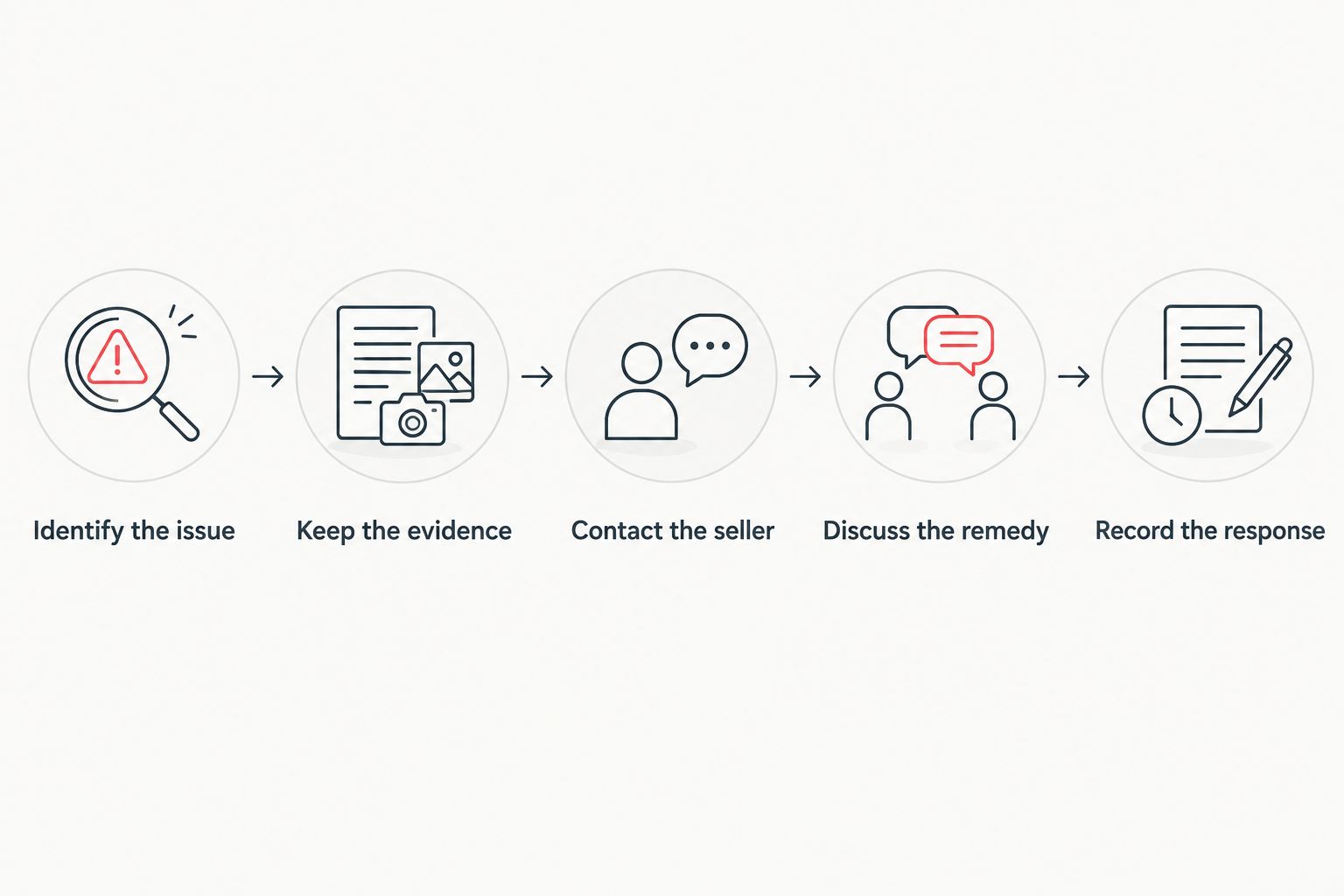
Use this sequence to make the issue easy to assess. Do not glue, repaint or modify the toy before the seller has had an opportunity to consider the complaint.
- Identify the issue. State whether the toy is damaged, missing an advertised part, from the wrong series, or simply unwanted. Avoid describing a duplicate as faulty.
- Keep the evidence. Retain the toy, loose parts, packaging and proof of purchase. Photograph the problem clearly and preserve the relevant listing or order details.
- Contact the seller. Explain when you discovered the problem and how the toy was handled. A short factual account helps distinguish an existing defect from later damage.
- Discuss the remedy. Ask how the seller proposes to address the failure. Distinguish a consumer-guarantee claim from a voluntary exchange request.
- Record the response. Keep the correspondence and return instructions. If the dispute remains unresolved, use New Zealand Consumer Protection guidance and consider the Disputes Tribunal route.
The process is about evidence, not producing an elaborate unboxing film. An existing video can help show what happened, but it is not a universal legal requirement for making a claim.
Keep your request specific: identify the item, describe the problem and explain why it does not match the expected condition or description. Do not demand a particular replacement character unless that character was actually promised.
Where does Pop Stop fit for blind box collectors?
Pop Stop suits New Zealand fans shopping for blind box collectables, not buyers who require a guaranteed character from a random box. The New Zealand-owned retailer sells pop culture collectables online and in retail stores.
When browsing Pop Stop, check the individual product description before buying. Blind box collectables offer a surprise, but that same uncertainty is a drawback when you are filling a specific gap in your collection.
For a Pop Stop blind box return, distinguish your legal reason for claiming a remedy from any voluntary change-of-mind request. Check the current terms rather than assuming an opened-item exchange is offered.
Can a shop refuse a return because I opened the box?
A shop can refuse a change-of-mind return unless its own offer says otherwise. It cannot use an opened-packaging rule to remove applicable Consumer Guarantees Act rights for a qualifying fault.
Opening matters differently in each case. It reveals a blind box’s contents, but it does not establish who caused a defect or whether the goods met their guarantees.
Do I need the original box and receipt?
Keep both if you have them, but original packaging is not generally a prerequisite for a faulty-goods remedy. You need to establish the purchase; evidence such as an order confirmation or relevant transaction record can help when a receipt is missing.
Packaging still helps identify the series and promised contents. Keep it until the issue is resolved.
Can I demand a refund instead of store credit?
Where the Act entitles you to reject goods and choose a refund, the seller cannot substitute store credit for that refund. A minor, remediable fault does not automatically give you that choice immediately.
For a voluntary change-of-mind return, the seller’s offer can have different conditions. Establish the basis of your request first.
FAQ
Can I return an opened blind box in NZ if I got a duplicate?
A duplicate alone does not create a Consumer Guarantees Act return right when the product was accurately sold as random. Ask the seller whether its current voluntary return terms cover opened items.
Can I return a blind box figure that was broken when I opened it?
You can seek a remedy if the damage represents a failure of an applicable consumer guarantee. Keep the toy and packaging, photograph the damage and contact the seller.
Does a no-returns sign remove my rights over a faulty toy?
No. A retailer’s no-returns wording cannot remove applicable Consumer Guarantees Act rights, although it can describe its approach to change-of-mind requests.
Is an unboxing video required to return a faulty blind box?
An unboxing video is not a universal legal requirement for a faulty-goods claim. Keep proof of purchase and clear evidence of the issue; an existing video can support your account.
Can I return an opened blind box bought online in 2026?
Opening an online purchase does not automatically remove consumer-guarantee protection for a qualifying fault. Buying online does not create a general change-of-mind return right for an ordinary blind box purchase.
Can I return a blind box bought from a private seller?
The Consumer Guarantees Act generally does not cover a genuinely private sale. Check whether the seller was acting in trade and what description or promises formed part of the sale.
Does Pop Stop guarantee a return if I dislike my blind box character?
Do not assume Pop Stop offers an opened-item change-of-mind return. Check its current terms; an unwanted random character and a qualifying product fault are different issues.
One last thing
The character you pulled and the condition it arrived in are separate questions. You can love the reveal and still have a legitimate complaint about damage; you can hate the reveal and have no statutory return right.
Before opening your next blind box in 2026, save the product description and ask yourself whether you would enjoy any of the advertised possibilities. That simple check helps separate collecting for the surprise from shopping for one particular figure.

