

Pop Stop vs Amazon: which is better in 2026
Choose Pop Stop if you want a New Zealand-owned pop culture retailer for collectables, manga and tabletop hobbies; choose Amazon if you want broad general shopping and the option to compare marketplace sellers. This 2026 comparison separates the specialist-store advantage from the marketplace advantage, without treating either name as a guarantee about an individual order.
- Pop Stop vs Amazon comes down to NZ pop culture specialisation versus general-shopping breadth.
- Pop Stop is best for NZ fans shopping for collectables, manga and trading card games.
- Amazon is best for shoppers comparing marketplace sellers or shopping across unrelated categories.
- Neither retailer wins automatically on edition accuracy, delivery terms or the final checkout total.
Why this matters
A figure with the right character is not necessarily the right figure. A manga volume, card product or boxed game also needs to match the edition you actually want.
Choose the shopping model first, then compare the exact item. For your 2026 purchases, that means separating three questions: does the retailer suit your hobby, does the listing match your target, and do the order terms work for you?
A specialist store keeps your browsing inside the hobby. A general marketplace gives you a wider search, but asks you to pay attention to who sells each listing. Those are different advantages, not interchangeable promises.
At a glance
| Dimension | Pop Stop | Amazon |
|---|---|---|
| Best for | NZ pop culture collectors and hobbyists | General shoppers and marketplace comparisons |
| Standout feature | Pop culture focus across collectables and hobbies | General retail and marketplace shopping |
| Shopping breadth | Pop! Vinyls, manga, graphic novels, board games, TCGs, figures and Gundam | Shopping across many unrelated categories |
| Physical shopping | New Zealand online and retail store | Online marketplace comparison |
| Seller comparison | Shopping with a named specialist retailer | Comparing Amazon and third-party seller listings |
| Edition accuracy | Check the specific product description | Check the specific product description and seller |
| Delivery assessment | Read the terms for your order | Read the terms for the seller and your order |
| Pricing model | Item-by-item retail purchase | Item-by-item purchase across retailer and seller offers |
The table describes shopping models, not a test of fulfilment, customer service or packaging. Use it to shortlist where to look; use the actual listing to decide what to buy.
The specialist wins for pop culture browsing
Pop Stop is best for New Zealand fans shopping across pop culture collectables and tabletop hobbies. Its stated range includes Pop! Vinyls, graphic novels, manga, board games, Pokemon, Magic the Gathering, statues, figurines and Gundam models.
That focus suits a collector whose next purchase could belong to several fandom categories. You are still browsing within your interests, rather than moving between a hobby search and unrelated shopping.
The limitation is equally clear: a pop culture specialist is not the natural starting point for a general household shopping list. Specialisation gives you a relevant destination; it does not establish that every edition or character you want is represented.
For manga shopping, the Chainsaw Man box set is a concrete example of a named format to compare. Check the contents and language before treating another listing with the same series name as an equivalent.
Amazon wins for shopping beyond your fandom
Amazon is the better starting point when your search extends beyond collectables into unrelated product categories. Its general-retail and marketplace model is built for that broader shopping task.
Best for: the shopper comparing hobby purchases alongside everyday goods. The advantage is breadth of search, not an automatic win for the particular figure, book or game you want.
The drawback is that browsing breadth does not settle product equivalence. Similar titles can describe different formats, and a marketplace result still needs a seller-level check. Keep your exact edition in view rather than choosing from the first familiar image.
For a focused 2026 collecting session, a narrower destination suits fandom browsing. For a mixed shopping session, Amazon's broader scope is the stronger fit.
NZ retail presence wins for a physical-store preference
A New Zealand-owned online and retail store is the better fit if physical retail is part of how you prefer to shop. That is a stated part of the specialist's business, rather than an assumption based on its domain.
Best for: the NZ collector who prefers a retailer with a physical-store presence. Keep that advantage separate from promises about particular store services. Check the relevant store information before planning your visit.
Amazon's online marketplace suits a different process: search, inspect the listing, identify the seller and assess the order online. That works for shoppers who do not need a physical-store option.
Neither shopping model alone proves faster delivery, better packaging or a more favourable returns policy. Those belong to the specific transaction.
Amazon wins for comparing marketplace sellers
Amazon is the stronger option when comparing sellers is itself your goal. Its marketplace includes third-party sellers alongside Amazon retail offers, so the seller's identity is part of your buying decision.
That gives you another comparison axis beyond the product name. It also adds work: read who sells the item, who fulfils the order and which terms apply.
A named specialist retailer offers a simpler shopping relationship: you are choosing that retailer rather than selecting among marketplace sellers. The trade-off is that you are not using the store as a marketplace seller-comparison tool.
For 2026, compare the seller as carefully as the collectable. Do not transfer your confidence in a platform's name to every listing on it.
Both require an exact-edition check
Neither retailer wins edition accuracy simply by being a specialist or a marketplace. The deciding evidence is the product description that matches your collecting target.
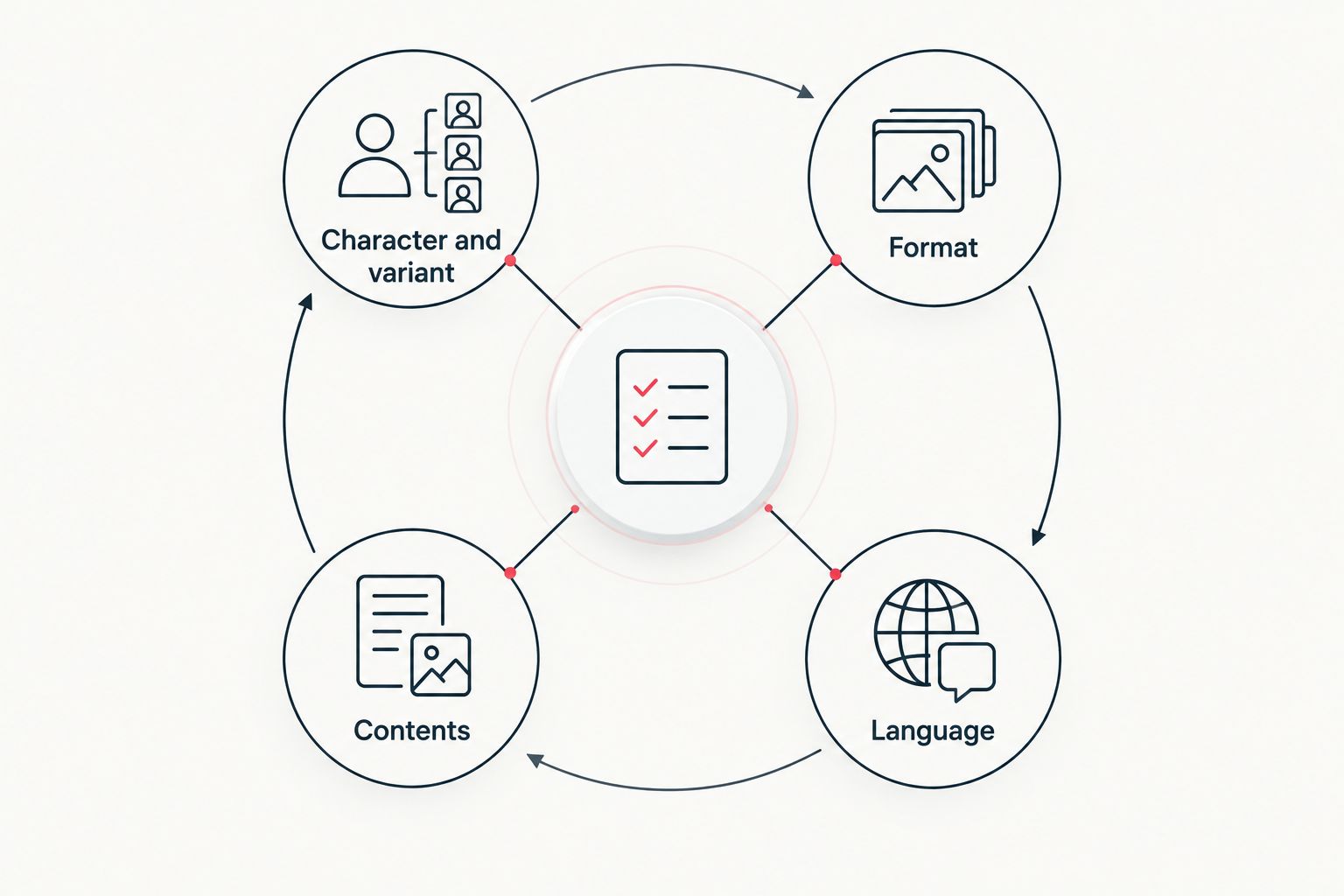
Use these checks:
- Character and variant: match the character, costume, finish and named edition.
- Format: distinguish a single figure, multi-figure pack, book volume, box set, booster or deck.
- Language: confirm the language of books and trading card products.
- Contents: establish what the listing actually includes.
Pack count is a useful example. The supplied Spider-Man 2099 and Spider-Man India product is a 2-figure pack; the Jar Jar Binks and General Grievous product is also a 2-figure pack. Separately, the named Spider-Man Blacklight product specifies a 10-inch figure. Those details describe different buying targets, even when the franchise overlaps.
Best for: collectors matching a specific release rather than just a franchise. These examples show why the full title matters; they are not recommendations based on rarity or future resale value.


Neither wins delivery without an order-level check
Assess delivery against your address and purchase, not the retailer's category. Read the delivery information attached to the order before paying.
For marketplace shopping, include the seller and fulfilment details in that check. For specialist shopping, inspect the retailer's applicable terms. A local business identity does not replace those terms, and a large platform does not replace a seller check.
Keep the same discipline for returns and box condition. If packaging matters to your collection, establish what the listing says rather than assuming a pristine collector box.
Pricing: compare purchases, not subscriptions
Both shopping models centre on buying individual items. The useful comparison is the exact product and its final checkout total, rather than a software-style subscription or plan comparison.
A specialist purchase keeps the comparison attached to one retailer. Amazon's marketplace lets you compare seller offers, but each offer needs its own product and order-term check.
For a fair 2026 comparison, use the same edition, quantity and destination. There is no defensible blanket value winner across different products and sellers. A mismatched edition makes the comparison meaningless before you reach checkout.
Final verdict: choose by your shopping task
Choose Pop Stop if you are a NZ fandom collector
You want a New Zealand-owned pop culture retailer, and your interests span collectables, manga, board games or trading card games. The specialist is the named winner for that profile because its stated business matches the hobby-focused shopping task.
Choose Amazon if you are a general-shopping comparer
You want to search across unrelated categories or compare marketplace sellers for a specific item. Amazon is the named winner for that profile because breadth and seller comparison are central to its shopping model.
| Dimension | Winner |
|---|---|
| Best for NZ fandom collecting | Specialist retailer |
| Standout pop culture focus | Specialist retailer |
| General-shopping breadth | Amazon |
| NZ physical-retail preference | Specialist retailer |
| Marketplace seller comparison | Amazon |
| Edition accuracy | Tie: inspect the listing |
| Delivery assessment | Tie: inspect the order terms |
| Pricing model and value | No blanket winner |
FAQ
Is Pop Stop better than Amazon for NZ collectors?
Pop Stop is the better fit for NZ collectors who want a New Zealand-owned pop culture specialist. Amazon is the better fit for broader shopping or marketplace seller comparison.
What's the main difference between a specialist store and Amazon?
A specialist store focuses on a defined hobby range, while Amazon combines general retail with marketplace sellers. Choose based on whether you want focused browsing or broader comparison.
Should I compare the same Funko Pop on both retailers?
Yes, compare the exact character, variant and format. A single figure and a multi-figure pack are not equivalent purchases.
Is Amazon always better value for collectables?
No retailer is automatically the value winner for every collectable. Compare the same edition and quantity, then check the final checkout total and applicable terms.
Does buying from a NZ retailer guarantee faster delivery?
A NZ retailer's location does not establish the delivery time for your order. Check the delivery information for the item and your address before paying.
What should I check before ordering manga or trading cards?
Check the language, edition, format and included contents. Match those details to your reading or playing needs before comparing retailers.
One last thing
Write down the full product title before starting your 2026 comparison. Character, variant, format and language form your reference point; a familiar thumbnail does not. If those details differ, you are comparing different purchases, not deciding which retailer is better.

